


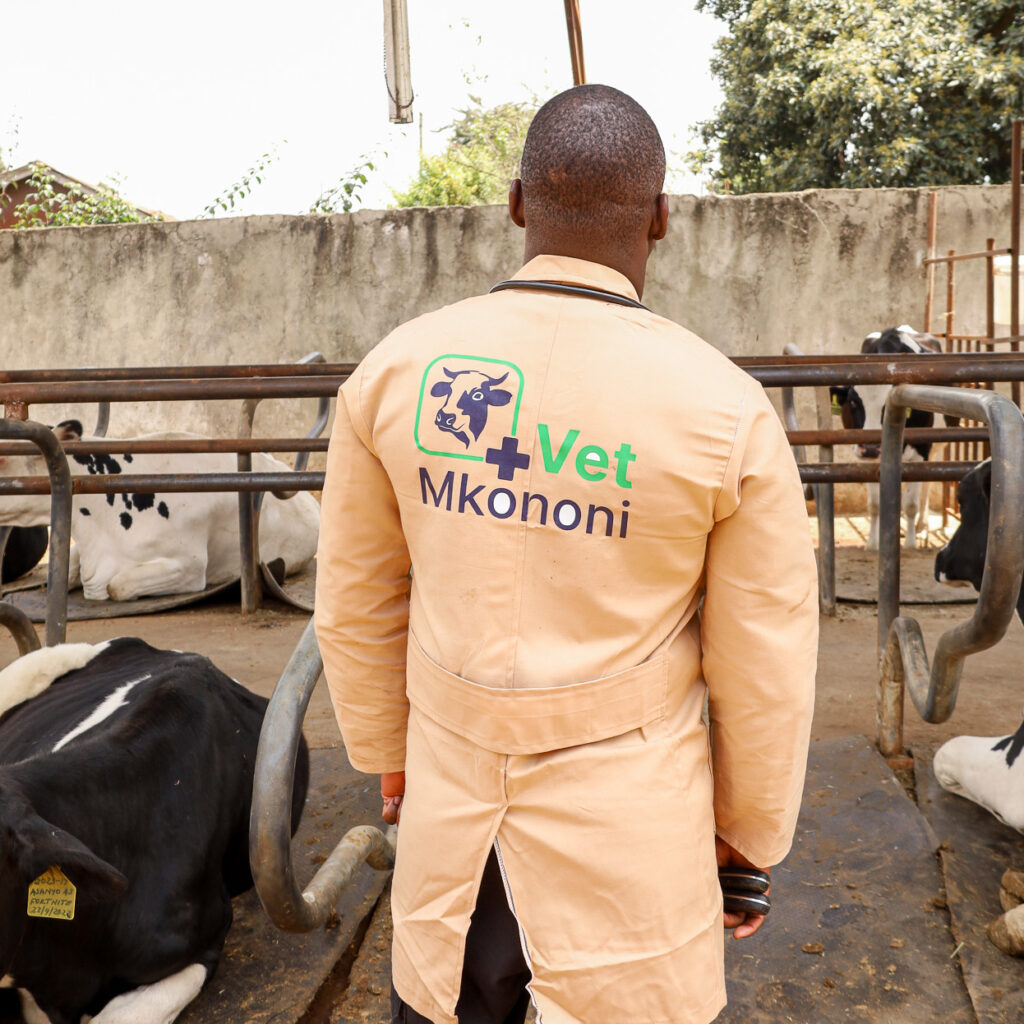
In a fast-changing world where technology is transforming every sector, veterinary medicine in Kenya is no exception. For many veterinarians, the focus has always been on animal health, diagnosis, treatment, and preventive care. Yet, as Dr. Paul insightfully put it in his talk on business and data, “Technology will help you run your business effectively… data is power, and technology is the engine.”
His message resonates deeply within the veterinary field. Beyond stethoscopes and syringes, vets today must embrace technology not only to serve animals better but also to sustain and grow their businesses. Here are ways that data and technology can empower veterinary practitioners across Kenya.
1. Running a Veterinary Practice Efficiently
Every vet knows how demanding it can be to balance appointments, inventory, finances, and field calls. Technology simplifies this. Practice management systems such as Vet Mkononi, for example, automate scheduling, billing, and record-keeping. They help track everything from vaccination histories to follow-up visits and medication use.
Instead of relying on manual logbooks, digital systems store client and animal data securely in one place. This organization improves productivity and reduces human error — freeing vets to focus more on care and less on paperwork.
Dr.Paul’s words, “Technology will help you to run your business effectively,” ring true. Efficiency means time saved, and in a busy vet’s world, time is money.
2. Technology as a Marketing Tool
A vet can be excellent at their work, but without visibility, clients may never find them. In Kenya, many pet owners and farmers now search online before booking services. That’s why technology is crucial for marketing and advertising.
Digital platforms, from social media pages to Google listings, allow veterinarians to showcase their expertise, share educational content, and engage directly with clients. Posting photos of successful recoveries, tips on animal care, or behind-the-scenes clinic stories builds trust and credibility.
Dr.Paul, “Technology will help you market yourself… it will help you advertise yourself.” In essence, the modern vet’s reputation grows as much online as it does through word of mouth.
3. Data as a Decision-Making Tool
Every day, veterinarians collect data from patient outcomes to vaccination schedules, to disease trends in livestock. Yet without organization and analysis, this information remains untapped potential.
Data-driven practice helps vets identify seasonal disease patterns, adjust service offerings, and even improve pricing strategies. For instance, if data shows more tick-borne disease cases in a certain region during the rainy season, a vet can pre-stock medications or run awareness campaigns at the right time.
Dr.Paul emphasized, “Technology will help you to collect data. Data that can help you plan for the next month.” For Kenyan vets, this is not abstract — it’s practical business intelligence.
4. Data Builds Credibility for Funding
One of the biggest challenges for veterinary businesses, especially in rural areas, is accessing funding. Banks and investors often hesitate to lend to small clinics or mobile vets without clear records.
With digital tools, vets can easily produce organized reports — showing client numbers, monthly revenue, expenses, and growth trends. This transparency demonstrates business health, giving financiers confidence to invest. In short, data isn’t just for tracking animals — it’s also a passport to capital.
Dr.Paul’s experience captures this perfectly: “No bank will touch you if you have no records. They need to see the performance of your business for them to fund you.”
5. Technology Empowers Teams and Expands Reach
Many Kenyan vets struggle with staffing and scaling operations. Technology makes recruitment easier. Online platforms can help find qualified assistants or technicians. Cloud-based systems allow multiple team members to access records, coordinate field visits, and share updates in real time.
Mobile apps and telemedicine are also opening new doors. Through virtual consultations, vets can offer basic guidance to remote farmers who might otherwise go untreated. This approach expands service reach and builds loyalty among clients in underserved areas.
As Dr.Paul noted, “Technology will help you get employees.” But more importantly, it helps you manage and empower them.
6. The Mindset Shift: Loving the Craft and Embracing Change
Technology, however, is only as effective as the people who use it. Dr.Paul concluded passionately: “Business isn’t for the faint-hearted. You’ve got to love what you do, know your craft inside out, and be ready to work.”
In veterinary practice, this means combining compassion for animals with the discipline to adopt modern tools. It’s not enough to be a good vet; one must also be a smart entrepreneur.
Vets who resist technology risk being left behind. Those who embrace it not only survive but thrive — with better client relationships, more stable cash flow, and greater professional satisfaction.
The Future Is Data-Driven
Kenya’s veterinary sector is evolving rapidly. From livestock management to small animal clinics in Nairobi, technology is redefining what it means to be a vet. Systems like Vet Mkononi are part of this transformation — helping practitioners collect data, manage clients, and tell their business stories effectively.
In Dr.Paul’s words, “There is no way you can escape technology in today’s world and in today’s business.” For vets, the message is clear: data isn’t just information — it’s empowerment. And technology isn’t just a tool — it’s the foundation of sustainable growth.
Add a Comment
You must be logged in to post a comment